Not every sacred site wears its history on its sleeve.
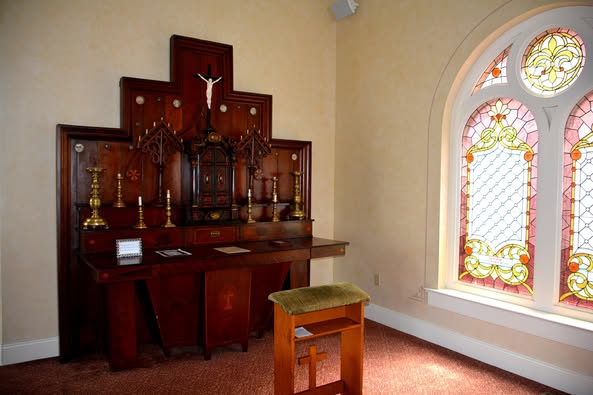
Sometimes, the oldest relics of faith are hidden in plain sight—quietly tucked into the heart of a working church, long past the days when their maker walked the earth. One such relic rests inside a historic Catholic church on Main Street in a small Kentucky town. It’s an altar—but not just any altar.
This one was carved, prayed over, and hand-assembled in 1807 by one of the most restless and devoted missionary priests the Kentucky frontier ever knew: Father Charles Nerinckx.
Before it found its final home here, this altar began its journey in the wilderness of Calvary, Kentucky—commissioned for a fledgling log church called Holy Mary, known today as Holy Name of Mary.
What follows is the story of a priest, a people, and the altar that brought them together in worship more than 200 years ago.
Origins of the 1807 Altar
The story begins in 1805. Father Charles Nerinckx, a Belgian priest in exile from Napoleonic Europe, had made his way to Kentucky. Here in the “Holy Land” of America—so-called for its dense population of Maryland Catholic settlers—he found both spiritual hunger and physical hardship.
That year, he laid the cornerstone for a modest log church near the Rolling Fork River. He called it Holy Mary. The people called it a miracle.
Built on donated land in Calvary, it was a sanctuary for scattered families who had been attending Mass in barns, homes, or not at all. There was no roof at first, no bell tower, no pews—and certainly no altar worthy of the Eucharist. But that would soon change.
In a letter written in 1807, Father Nerinckx shared his concern:
“Although we are not entirely without church furniture, our wants are great indeed; missals, crucifixes, statues, and pictures are most needed. Not one of our churches has what may be called an altar except Holy Cross; none has more than one chasuble; nor is a linen alb to be found in any of these which I did not furnish myself.”
With that conviction, he set about importing sacred goods—often through the help of friends in Europe—and contracting local craftsmen in Kentucky to fashion what could not be imported.
The altar was completed that same year and installed at Holy Mary: a quiet triumph of faith in the wilderness.
But to Father Nerinckx, it was never “just furniture.”
“Being constantly occupied in building churches and altars, I wish we could obtain books and pictures from Belgium, in order to give our workmen here some good models and sketches.”
Beauty, for him, was not indulgence. It was dignity in worship. It was soul work.
A Holistic Missionary
That same 1807 letter reveals more than just liturgical needs. Alongside requests for chalices and vestments, he also asked for:
“…seeds of different kinds of trees, shrubbery, and fruits… and more salves, with explanation of their virtues and directions for use.”
He wasn’t simply building churches. He was building communities. Rooted in prayer. Grounded in healing. Growing with hope. And always, he built altars.
The Altar’s Quiet Survival—and Its Final Home
As years passed and buildings were rebuilt or replaced, the altar was eventually moved from its original log home in Calvary. But it was not forgotten.
Generations of Kentucky Catholics saw to it that this sacred object was preserved, restored, and ultimately reinstalled in another church—one equally grounded in early Catholic settlement.
The church that houses it now began construction in 1890, reflecting the growing needs of the parish. Romanesque in style, brick-built, and situated on Main Street, it stands today with little fanfare… except perhaps in its side chapel.
Because tucked away inside that chapel is the 1807 altar. Quiet. Weathered. Still doing its job.
Relics Above the Tabernacle
One of the most remarkable features of this altar is what lies above the tabernacle: sealed relics of Roman martyrs, embedded in keeping with ancient tradition.
These may be bone fragments, cloth, or hair from saints—many of whose names have been lost to time but not to the Church.
To early Kentucky Catholics, these relics weren’t mere objects. They were a direct connection to the underground churches of Rome—to the Masses whispered in the catacombs.
They made the frontier feel closer to Heaven.
Why It Matters
This altar isn’t just wood and marble. It’s a doorway.
A doorway to a time when Masses were whispered in candlelight. When priests crossed muddy rivers and stayed in strangers’ homes just to bring the sacraments. When churches didn’t yet have floors—but they had faith.
Father Charles Nerinckx could have stayed in Europe. He had status. He had education. He had comfort. But he chose mud, hunger, blisters, and bugs—and souls. He built fourteen churches, founded the Sisters of Loretto, and ministered to hundreds of families. And through all that… He built altars.
Want to See It?
The church is still open today. Mass is offered upon the 1807 altar every first Saturday of the month.
It is not a museum piece. It is a living altar—still doing what Father Nerinckx meant it to do.
And if you’re curious to see places like this—where stories aren’t just told, but felt—come along.
Kenny Browning is a lifelong resident of Marion County, Kentucky, with over 72 years of deep roots in the community. A passionate storyteller and history enthusiast, Kenny combines his love for local heritage with a talent for creating personalized, memorable tours that highlight the beauty and history of rural Kentucky.
Father Charles Nerinckx was a pivotal figure in the early Catholic Church in Kentucky, known for his relentless dedication to his mission. His journey from Belgium to the American frontier was marked by challenges, yet his unwavering faith and commitment to building a community left a lasting impact on the region.
In addition to constructing churches and altars, Nerinckx founded the Sisters of Loretto, a significant contribution to the education and spiritual development of the local population. His efforts not only fostered a sense of belonging among Kentucky Catholics but also established a foundation for future generations to build upon.
The Historical Significance of the Altar
This altar, crafted in 1807, symbolizes more than just a piece of furniture; it represents the faith and resilience of early Catholic settlers in Kentucky. Its creation reflects the urgent needs of a growing community that sought a place to worship and gather.
The altar's journey, from its original location in Calvary to its current home, also highlights the historical narrative of Catholicism's expansion in the United States. Its preservation through generations illustrates the deep-rooted respect and reverence that local families have for their spiritual heritage.
Visiting the Altar: A Journey Through Time
For those interested in history and spirituality, visiting the altar offers a unique opportunity to connect with Kentucky's rich Catholic heritage. The site not only showcases the altar itself but also the stories and traditions that surround it, inviting visitors to immerse themselves in the past.
Guided tours provide insights into the life of Father Nerinckx and the significance of the altar, making it an enriching experience for all. Whether you're a local resident or a traveler, the chance to witness this historic relic in person can deepen your appreciation for the cultural fabric of the region.
Community Involvement and Preservation Efforts
The preservation of the altar and its historical context is a community effort that underscores the importance of local heritage. Residents and church members have played a crucial role in maintaining the altar, ensuring that its story continues to be told.
Through fundraising, restoration projects, and educational programs, the community actively engages in preserving this sacred object. These efforts not only honor the past but also inspire future generations to appreciate and uphold their cultural and spiritual history.
kentucky, food rescue, feeding america, credit card, tennessee, food bank, hunger, minnesota, virginia, school, development, program, south carolina, north carolina, union, maryland, credit, indiana, health, alabama, new mexico, missouri, kansas, payment, georgia, new hampshire, nutrition, colorado, ohio, illinois, iowa, holy land, faith, supreme court of the united states, jesus, mississippi river, pilgrimage, bible, benedict joseph flaget, mississippi, united kingdom, window, catholic church, monastery, cathedral, france, sisters of loretto, missionary, bourbon whiskey, philadelphia, new zealand, lebanon, oscar getz museum of whiskey history, spain, diocese, priest, arabian peninsula, mass, belgium, email address, portugal, ohio river, africa, new york city, switzerland, thomas merton, tanzania, saudi arabia, parish, tourism, community, sisters, north, loretto, bethlehem, spalding hall, bardstown historical museum, vatican city, abbey, distillation, barrel, kentucky bourbon trail, woodford reserve, cocktail, horse, enable, mint julep, derby, zip line, master distiller, cave, geology, cincinnati, old fashioned, churchill downs, limestone, gift card, accessibility, trail, mining, customer, construction, website, contact, tour guide, client, reserve, customer service, information, glass, button
Frequently Asked Questions
Can you visit horse farms in Heartland Kentucky?
Visiting horse farms in Heartland Kentucky is definitely possible. Many farms offer guided tours where you can learn about the breeding and training of thoroughbreds while enjoying the beautiful landscapes of the region.
Is the Holy Land a popular tourist destination in Kentucky?
The Holy Land is indeed a popular tourist destination in Kentucky, attracting visitors with its unique religious significance and captivating landscapes that reflect the region's historical heritage.
What defines the heartland region of Kentucky?
The heartland region of Kentucky is defined by its rich agricultural landscapes, historic sites, and vibrant culture, showcasing the state’s unique heritage and traditions while serving as a pivotal area for exploring its history and significant landmarks.
What are the main attractions in Kentuckys Holy Land?
The main attractions in Kentucky's Holy Land include historic churches, spiritual landmarks, and significant sites related to the state's religious heritage, offering visitors a unique glimpse into Kentucky's faith-based history and cultural landscape.
What is the significance of the Holy Land in Kentucky?
The significance of the Holy Land in Kentucky lies in its historical and cultural representation of religious faith, notable landmarks, and the role it plays in the spiritual journey of many visitors, reflecting the deep-rooted heritage of the region.
Is Heartland Kentucky a tourist destination?
Heartland Kentucky is indeed a tourist destination, renowned for its rich history, historic landmarks, and cultural heritage. Visitors can explore a variety of significant sites, making it a compelling choice for history enthusiasts and travelers alike.
Where is the Holy Land located in Kentucky?
The Holy Land in Kentucky is located in the town of Wilmore, specifically at the Asbury University campus. This area features significant religious landmarks and serves as a spiritual retreat.
What year was the Holy Land established in Kentucky?
The Holy Land in Kentucky was established in 1972, serving as a significant site for visitors seeking to explore biblical history and its influence on the region.
What are the best horse farms to visit?
The best horse farms to visit include Calumet Farm, known for its rich history and stunning landscapes, and Lane's End Farm, famous for its world-class thoroughbreds. Both offer insightful tours showcasing Kentucky's equestrian heritage.
How do I plan a tour of the Holy Land?
Planning a tour of the Holy Land involves researching key historical sites, selecting a reliable tour operator, determining your travel dates, and considering logistics like accommodations and transportation. It's essential to create a personalized itinerary that highlights your interests while ensuring you have enough time to explore each destination.
What historic sites are in Heartland Kentucky?
The historic sites in Heartland Kentucky include iconic landmarks such as the Mary Todd Lincoln House, the Kentucky State Capitol, and various historic homes and churches that reflect the state's rich heritage and cultural significance.
Are there guided tours of horse farms?
Guided tours of horse farms are available through Historic Heartland Trails. These tours offer visitors an engaging experience to explore the heritage and beauty of Kentucky's renowned equestrian culture.
What festivals celebrate the Holy Land in Kentucky?
Festivals that celebrate the Holy Land in Kentucky include the annual Holy Land Festival, which features cultural exhibits, food, and religious activities, along with community events that promote the rich heritage and traditions associated with the Holy Land.
How to explore Heartland Kentuckys historic landmarks?
Exploring Heartland Kentucky's historic landmarks can be done by booking personalized tours through Historic Heartland Trails, which highlight the state's rich heritage and significant sites, ensuring an enriching and memorable experience.
What unique experiences await in Kentuckys Holy Land?
The unique experiences that await in Kentucky's Holy Land include immersive tours of historic churches, reflections on the spiritual significance of the region, and engaging storytelling that connects visitors with the rich religious heritage of Central Kentucky.
Which local foods should I try in Heartland Kentucky?
The local foods to try in Heartland Kentucky include the famous Kentucky Bourbon, derby pie, fried chicken, and country ham. Be sure to also sample dishes featuring fresh, local ingredients that highlight the rich culinary heritage of the region.
Are there family-friendly activities in Heartland Kentucky?
Family-friendly activities in Heartland Kentucky abound. Families can explore historical sites, enjoy interactive museums, participate in outdoor adventures, and discover local festivals that cater to all ages. There's something for everyone to enjoy together!
What is the history of horse farming in Kentucky?
The history of horse farming in Kentucky is rich and significant, rooted in the state’s early settlement days and shaped by its ideal climate and fertile land, making it a premier location for breeding and raising thoroughbred horses.
Can you recommend scenic routes in Heartland Kentucky?
Scenic routes in Heartland Kentucky include the picturesque Bluegrass Parkway, which offers breathtaking views of rolling hills and horse farms, and the Daniel Boone Parkway, showcasing beautiful landscapes and access to historic sites.
What cultural events occur in Kentuckys Holy Land?
Cultural events in Kentucky's Holy Land include annual religious festivals, community gatherings, and historical reenactments, showcasing the area's rich heritage and faith traditions. Visitors can enjoy local crafts, music, and cuisine during these vibrant celebrations.
What wildlife can be observed in Heartland Kentucky?
The wildlife that can be observed in Heartland Kentucky includes a variety of species such as deer, wild turkeys, numerous bird species, and the occasional bobcat, making it a great destination for nature enthusiasts.
Are there any eco-tours in Heartland Kentucky?
Eco-tours are available in Heartland Kentucky, offering visitors a chance to explore the region's natural beauty while learning about local ecosystems and sustainable practices. Contact us for more details on specific eco-tour options!
What makes the Holy Land special for visitors?
The Holy Land is special for visitors due to its profound historical and spiritual significance, rich cultural heritage, and the opportunity to explore iconic religious sites where pivotal events from Christianity, Judaism, and Islam took place.
How has tourism impacted Heartland Kentucky?
Tourism has positively impacted Heartland Kentucky by boosting the local economy, preserving historic sites, and fostering community pride through increased awareness of the region's rich cultural heritage.
What accommodations are available near Kentuckys Holy Land?
Accommodations near Kentucky's Holy Land include charming bed-and-breakfasts, cozy hotels, and inviting motels, providing visitors with comfortable lodging options to enhance their experience exploring the rich history and spiritual significance of the area.
Are there photography opportunities in the Holy Land?
Photography opportunities in the Holy Land are abundant. With stunning landscapes, historic landmarks, and vibrant local culture, visitors can capture unforgettable moments at sacred sites and picturesque locations throughout the region.
What transportation options exist for Heartland tours?
The transportation options for Heartland tours include comfortable, air-conditioned vans and buses, ensuring a relaxed and enjoyable travel experience while exploring Kentucky's historic sites.
What is the climate like in Heartland Kentucky?
The climate in Heartland Kentucky is characterized by four distinct seasons, featuring hot summers, mild winters, and ample rainfall throughout the year, creating a pleasant environment for exploring its historic sites.
How to best experience the Holy Lands history?
The best way to experience the Holy Lands history is by taking guided tours that provide in-depth insights into historical landmarks and religious sites, allowing you to immerse yourself in the rich cultural heritage and significance of these locations.
What annual events are held in Heartland Kentucky?
Annual events held in Heartland Kentucky include the Kentucky Bourbon Festival, the Great American Brass Band Festival, and various historic reenactments that celebrate the region's rich culture and heritage. These events showcase local traditions and attract visitors from afar.
trails near me, heartland kentucky, tours near me, kentucky historic landmarks, famous landmarks kentucky, famous landmarks of kentucky, historic places in kentucky, historical trails near me, kentucky historical landmarks, historic sites kentucky, famous kentucky landmarks, heartland tours, kentucky faith trail, what is the climate in virginia, heartland tour, heartland rides, heartland trails