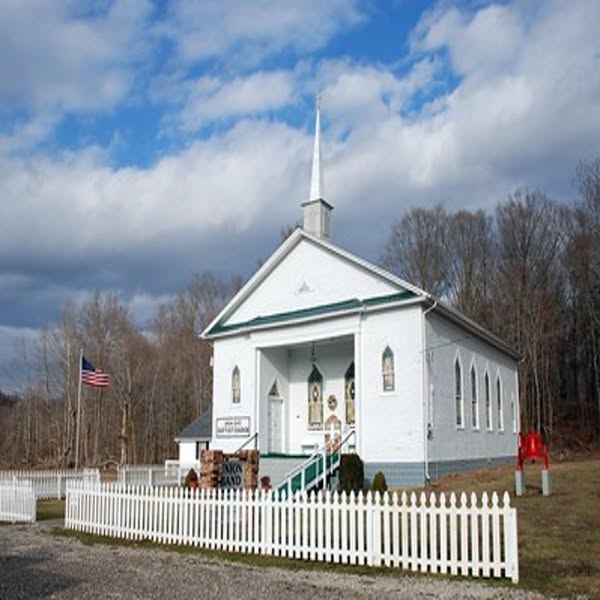
Union Band Baptist Church: Two Centuries of Faith on the Rolling Fork
Drive along Highway 84 near Howardstown, Kentucky, and you’ll come upon a quiet country church standing watch over a cemetery that holds the stories of generations. The sign out front reads Union Band Baptist Church, but the history behind that name stretches back two full centuries—200 years of worship, work, and witness in this small Nelson County community.
Seeds of a Growing Faith
The roots of Union Band go back to 1825, when Kentucky was still the edge of the western frontier. The Catholic migration into the region is often told, but the Baptist story here is equally rich—neighbors gathering where the fields meet the woods, lifting their voices in praise, and carving out a spiritual home on the rugged land near the Rolling Fork River.
The first church was a simple log structure, tucked near where the cemetery now lies. Built by the hands of the congregation themselves—farmers, craftsmen, and homemakers—it stood until 1839, when the growing membership needed more space.
A Temple on the Woods
In 1839, they raised a new hewn-log building nearby. Those timber walls bore witness to baptisms, revivals, weddings, and funerals for decades. By 1872, they had built a third structure, this time of brick and wood—measuring 50 feet long, 38 feet wide, and 14 feet high from floor to ceiling—a sign of endurance and permanence.
That building served the church family for nearly a century, through the hardships of the Civil War, through floods and droughts, through the Depression and two World Wars. Week after week, the congregation gathered—not just in good times, but in the hard ones too.
In 1965, the present-day structure was built—a modern building with a baptistery, education department, and dining hall, designed to meet the daily life of the church as well as Sunday worship.
But to really understand Union Band Baptist Church, you need to see where it sits. One of the photos shared here was taken from across the Rolling Fork River, at the old site of the Otter Creek One-Room School, about two miles away. The view from there gives you a sense of the church’s remote and rural setting—tucked quietly into the landscape, nearly hidden by hills and trees.
No subdivisions here. No highways buzzing nearby. Just winding creeks, fence rows, and the blue-green of the Kentucky knobs in the background.
Beside the church stands Stiles Cemetery, where early settlers and entire family lines rest. Weathered headstones tell their own stories. Many of the names here repeat in church records, in family trees, and still today in the pews.
Among the most prominent family names associated with Union Band Baptist Church and its cemetery are:
Stiles, Beeler, Gaddie, Willett, Miller, DeSpain, Price, and Perkins—names that appear again and again, woven into the fabric of this church’s long history.
Come Gather Round
Two hundred years is no small thing. This is not the story of a megachurch with polished marble floors. This is the story of a small country congregation that showed up, year after year, through every season of life.
Folks who sang from hymnals worn thin at the edges. Who gathered in winter’s cold and summer’s heat. Who prayed through wars and plagues, who buried their dead in the ground outside the church doors, and planted their hopes in the generations that would follow.
Union Band is still a gathering place. The roll call of the saints continues to grow—but so does the witness of those who remain, keeping the doors open and the gospel message strong in these Kentucky hills.
Share this story
About the Author
Kenny Browning is a lifelong resident of Marion County, Kentucky, with over 72 years of deep roots in the community. A passionate storyteller and history enthusiast, Kenny combines his love for local heritage with a talent for creating personalized, memorable tours that highlight the beauty and history of rural Kentucky.
local guide program
The Historical Significance of Union Band Baptist Church
The Union Band Baptist Church has played a pivotal role in the spiritual and social development of the Howardstown community since its establishment in 1825. As one of the oldest congregations in the area, it has served not only as a place of worship but also as a center for community gatherings, providing a sense of belonging and identity to its members over the centuries.
Throughout its history, the church has adapted to the changing needs of its congregation while maintaining its core values. Events such as baptisms, weddings, and funerals have marked significant moments in the lives of families, reinforcing the church's importance as a communal anchor. The resilience of the church through various historical challenges, including the Civil War and economic hardships, showcases its enduring legacy in the region.
Architectural Evolution of the Church
The architectural journey of Union Band Baptist Church reflects the growth and resilience of its congregation. Starting from a humble wooden structure built by the members themselves, the church has undergone several transformations to accommodate its increasing membership and the evolving needs of the community.
The transition from the original timber building to the brick and wood structure in 1872 signifies a commitment to permanence and stability. This evolution continued with the construction of the modern facility in 1965, which includes a baptistery and educational spaces, demonstrating the church's adaptability and forward-thinking approach to ministry in contemporary times.
Community and Family Connections
Union Band Baptist Church is deeply intertwined with the lives of many local families, creating a rich tapestry of relationships that have flourished over generations. Prominent family names such as Stiles, Beeler, and Gaddie are not just associated with the church; they embody its history and legacy, with their stories woven into the church's narrative.
These families have contributed to the church's growth and stability, participating actively in its events and decision-making processes. The church cemetery serves as a testament to these enduring connections, where the stories of past generations continue to live on, fostering a sense of continuity and community among current and future members.
Modern-Day Role of Union Band Baptist Church
Today, Union Band Baptist Church continues to serve as a vital community hub, offering not only spiritual guidance but also various programs and activities that cater to the needs of its members. The church’s modern facilities support a range of ministries, educational opportunities, and social events, ensuring that it remains relevant in the lives of its congregants.
In addition to traditional worship services, the church organizes community outreach programs, youth activities, and fellowship gatherings, reinforcing its mission to foster a supportive and inclusive environment. This ongoing commitment to serving the community reflects the church's foundational values and its desire to adapt to the changing dynamics of modern life.
kentucky, food rescue, feeding america, credit card, tennessee, food bank, hunger, minnesota, virginia, school, development, program, south carolina, north carolina, union, maryland, credit, indiana, health, alabama, new mexico, missouri, kansas, payment, georgia, new hampshire, nutrition, colorado, ohio, illinois, iowa, holy land, faith, supreme court of the united states, jesus, mississippi river, pilgrimage, bible, benedict joseph flaget, mississippi, united kingdom, window, catholic church, monastery, cathedral, france, sisters of loretto, missionary, bourbon whiskey, philadelphia, new zealand, lebanon, oscar getz museum of whiskey history, spain, diocese, priest, arabian peninsula, mass, belgium, email address, portugal, ohio river, africa, new york city, switzerland, thomas merton, tanzania, saudi arabia, parish, tourism, community, sisters, north, loretto, bethlehem, spalding hall, bardstown historical museum, vatican city, abbey, distillation, barrel, kentucky bourbon trail, woodford reserve, cocktail, horse, enable, mint julep, derby, zip line, master distiller, cave, geology, cincinnati, old fashioned, churchill downs, limestone, gift card, accessibility, trail, mining, customer, construction, website, contact, tour guide, client, reserve, customer service, information, glass, button
Frequently Asked Questions
Can you visit horse farms in Heartland Kentucky?
Visiting horse farms in Heartland Kentucky is definitely possible. Many farms offer guided tours where you can learn about the breeding and training of thoroughbreds while enjoying the beautiful landscapes of the region.
Is the Holy Land a popular tourist destination in Kentucky?
The Holy Land is indeed a popular tourist destination in Kentucky, attracting visitors with its unique religious significance and captivating landscapes that reflect the region's historical heritage.
What defines the heartland region of Kentucky?
The heartland region of Kentucky is defined by its rich agricultural landscapes, historic sites, and vibrant culture, showcasing the state’s unique heritage and traditions while serving as a pivotal area for exploring its history and significant landmarks.
What are the main attractions in Kentuckys Holy Land?
The main attractions in Kentucky's Holy Land include historic churches, spiritual landmarks, and significant sites related to the state's religious heritage, offering visitors a unique glimpse into Kentucky's faith-based history and cultural landscape.
What is the significance of the Holy Land in Kentucky?
The significance of the Holy Land in Kentucky lies in its historical and cultural representation of religious faith, notable landmarks, and the role it plays in the spiritual journey of many visitors, reflecting the deep-rooted heritage of the region.
Is Heartland Kentucky a tourist destination?
Heartland Kentucky is indeed a tourist destination, renowned for its rich history, historic landmarks, and cultural heritage. Visitors can explore a variety of significant sites, making it a compelling choice for history enthusiasts and travelers alike.
Where is the Holy Land located in Kentucky?
The Holy Land in Kentucky is located in the town of Wilmore, specifically at the Asbury University campus. This area features significant religious landmarks and serves as a spiritual retreat.
What year was the Holy Land established in Kentucky?
The Holy Land in Kentucky was established in 1972, serving as a significant site for visitors seeking to explore biblical history and its influence on the region.
What are the best horse farms to visit?
The best horse farms to visit include Calumet Farm, known for its rich history and stunning landscapes, and Lane's End Farm, famous for its world-class thoroughbreds. Both offer insightful tours showcasing Kentucky's equestrian heritage.
How do I plan a tour of the Holy Land?
Planning a tour of the Holy Land involves researching key historical sites, selecting a reliable tour operator, determining your travel dates, and considering logistics like accommodations and transportation. It's essential to create a personalized itinerary that highlights your interests while ensuring you have enough time to explore each destination.
What historic sites are in Heartland Kentucky?
The historic sites in Heartland Kentucky include iconic landmarks such as the Mary Todd Lincoln House, the Kentucky State Capitol, and various historic homes and churches that reflect the state's rich heritage and cultural significance.
Are there guided tours of horse farms?
Guided tours of horse farms are available through Historic Heartland Trails. These tours offer visitors an engaging experience to explore the heritage and beauty of Kentucky's renowned equestrian culture.
What festivals celebrate the Holy Land in Kentucky?
Festivals that celebrate the Holy Land in Kentucky include the annual Holy Land Festival, which features cultural exhibits, food, and religious activities, along with community events that promote the rich heritage and traditions associated with the Holy Land.
How to explore Heartland Kentuckys historic landmarks?
Exploring Heartland Kentucky's historic landmarks can be done by booking personalized tours through Historic Heartland Trails, which highlight the state's rich heritage and significant sites, ensuring an enriching and memorable experience.
What unique experiences await in Kentuckys Holy Land?
The unique experiences that await in Kentucky's Holy Land include immersive tours of historic churches, reflections on the spiritual significance of the region, and engaging storytelling that connects visitors with the rich religious heritage of Central Kentucky.
Which local foods should I try in Heartland Kentucky?
The local foods to try in Heartland Kentucky include the famous Kentucky Bourbon, derby pie, fried chicken, and country ham. Be sure to also sample dishes featuring fresh, local ingredients that highlight the rich culinary heritage of the region.
Are there family-friendly activities in Heartland Kentucky?
Family-friendly activities in Heartland Kentucky abound. Families can explore historical sites, enjoy interactive museums, participate in outdoor adventures, and discover local festivals that cater to all ages. There's something for everyone to enjoy together!
What is the history of horse farming in Kentucky?
The history of horse farming in Kentucky is rich and significant, rooted in the state’s early settlement days and shaped by its ideal climate and fertile land, making it a premier location for breeding and raising thoroughbred horses.
Can you recommend scenic routes in Heartland Kentucky?
Scenic routes in Heartland Kentucky include the picturesque Bluegrass Parkway, which offers breathtaking views of rolling hills and horse farms, and the Daniel Boone Parkway, showcasing beautiful landscapes and access to historic sites.
What cultural events occur in Kentuckys Holy Land?
Cultural events in Kentucky's Holy Land include annual religious festivals, community gatherings, and historical reenactments, showcasing the area's rich heritage and faith traditions. Visitors can enjoy local crafts, music, and cuisine during these vibrant celebrations.
What wildlife can be observed in Heartland Kentucky?
The wildlife that can be observed in Heartland Kentucky includes a variety of species such as deer, wild turkeys, numerous bird species, and the occasional bobcat, making it a great destination for nature enthusiasts.
Are there any eco-tours in Heartland Kentucky?
Eco-tours are available in Heartland Kentucky, offering visitors a chance to explore the region's natural beauty while learning about local ecosystems and sustainable practices. Contact us for more details on specific eco-tour options!
What makes the Holy Land special for visitors?
The Holy Land is special for visitors due to its profound historical and spiritual significance, rich cultural heritage, and the opportunity to explore iconic religious sites where pivotal events from Christianity, Judaism, and Islam took place.
How has tourism impacted Heartland Kentucky?
Tourism has positively impacted Heartland Kentucky by boosting the local economy, preserving historic sites, and fostering community pride through increased awareness of the region's rich cultural heritage.
What accommodations are available near Kentuckys Holy Land?
Accommodations near Kentucky's Holy Land include charming bed-and-breakfasts, cozy hotels, and inviting motels, providing visitors with comfortable lodging options to enhance their experience exploring the rich history and spiritual significance of the area.
Are there photography opportunities in the Holy Land?
Photography opportunities in the Holy Land are abundant. With stunning landscapes, historic landmarks, and vibrant local culture, visitors can capture unforgettable moments at sacred sites and picturesque locations throughout the region.
What transportation options exist for Heartland tours?
The transportation options for Heartland tours include comfortable, air-conditioned vans and buses, ensuring a relaxed and enjoyable travel experience while exploring Kentucky's historic sites.
What is the climate like in Heartland Kentucky?
The climate in Heartland Kentucky is characterized by four distinct seasons, featuring hot summers, mild winters, and ample rainfall throughout the year, creating a pleasant environment for exploring its historic sites.
How to best experience the Holy Lands history?
The best way to experience the Holy Lands history is by taking guided tours that provide in-depth insights into historical landmarks and religious sites, allowing you to immerse yourself in the rich cultural heritage and significance of these locations.
What annual events are held in Heartland Kentucky?
Annual events held in Heartland Kentucky include the Kentucky Bourbon Festival, the Great American Brass Band Festival, and various historic reenactments that celebrate the region's rich culture and heritage. These events showcase local traditions and attract visitors from afar.
trails near me, heartland kentucky, tours near me, kentucky historic landmarks, famous landmarks kentucky, famous landmarks of kentucky, historic places in kentucky, historical trails near me, kentucky historical landmarks, historic sites kentucky, famous kentucky landmarks, heartland tours, kentucky faith trail, what is the climate in virginia, heartland tour, heartland rides, heartland trails