The Great Church Heist of 1952: Stolen Masterpieces from St. Joseph Proto-Cathedral
📍 Bardstown, Kentucky
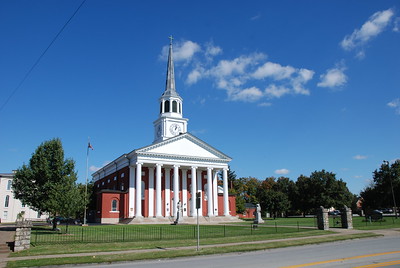
St. Joseph Proto-Cathedral, Bardstown, Kentucky – completed in 1823, the first Catholic cathedral west of the Alleghenies.
In the quiet heart of Bardstown stands a sentinel of Catholic heritage—the Basilica of St. Joseph Proto-Cathedral. But in November 1952, this sacred space became the stage for one of the most baffling art thefts in U.S. religious history.
A Church Like No Other
Bishop Benedict Joseph Flaget, a French émigré, brought European treasures to the Kentucky frontier—including masterpieces from Van Eyck, Van Dyck, Murillo, and Preti—thanks to royal friendships.
Among them was this stunning work: “The Martyrdom of St. Bartholomew” painted with painstaking detail by Mattia Preti, ca. 1650, Naples. Gifted by King Francis I of the Two Sicilies to Bishop Flaget.
🔍 The Night of the Theft
On November 12, 1952, nine paintings were stolen from inside the church—carefully cut from their frames. Among them:
The Martyrdom of St. Bartholomew
The Coronation of the Blessed Virgin
The Descent of the Holy Ghost
St. Anne and The Blessed Virgin
Four Stations of the Cross
An Easter surprise
The FBI launched a national manhunt for the priceless paintings, scouring the land for the Church’s beloved artifacts and on April 3rd, the Good Friday of 1953, Saint Anthony blessed the Feds search. Five hours north, in the Windy city of Chicago, two alleged perpetrators were picked up from a parking lot and within that car they found four paintings neatly rolled up with little to no damage. The other five paintings resurfaced from a buyer in New York, unaware of the seedy business which led to their procurement. At the time, the parish was overjoyed to receive them safely returned, with the Pastor of the Monsignor James H. Willet commenting:
Thank God—it is a most wonderful Easter gift.
Twelve men were arrested. Only one conviction—overturned by the U.S. Supreme Court in 1957. The case remains unsolved to this day
Restoration and Return
The paintings were returned in 1957 and rehung by 1958. The Martyrdom of St. Bartholomew was later restored by the Getty Museum, where its original glory was unveiled in time for the 200th anniversary of the diocese.
A Story Worth Telling
These aren’t just paintings. They are survivors of revolution, ship crossings, frontier hardship—and theft.
Share this story
About the Author
Kenny Browning is a lifelong resident of Marion County, Kentucky, with over 72 years of deep roots in the community. A passionate storyteller and history enthusiast, Kenny combines his love for local heritage with a talent for creating personalized, memorable tours that highlight the beauty and history of rural Kentucky.
Background of the St. Joseph Proto-Cathedral
The St. Joseph Proto-Cathedral holds a significant place in Kentucky's history as the first Catholic cathedral west of the Alleghenies, completed in 1823. Its establishment marked a pivotal moment for Catholicism in the region, serving as a spiritual home for early settlers and a symbol of resilience in the face of frontier challenges.
Designed with a blend of architectural styles, the cathedral features ornate details and houses numerous religious artifacts, contributing to its status as a historical landmark. The cathedral's rich history includes connections to prominent figures, such as Bishop Benedict Joseph Flaget, who played a crucial role in bringing European artistic treasures to the American frontier.
The Artworks Stolen in the Heist
The Great Church Heist of 1952 involved the theft of nine invaluable paintings, including masterpieces by renowned artists like Van Eyck and Murillo. Each artwork not only held artistic merit but also represented significant cultural and religious narratives, making their loss deeply felt within the community.
Among the stolen pieces, "The Martyrdom of St. Bartholomew" and "The Coronation of the Blessed Virgin" were particularly cherished for their historical and spiritual significance. The theft not only deprived the church of its artistic heritage but also sparked a national conversation about the protection of cultural assets.
The Investigation and Recovery Efforts
Following the theft, the FBI launched an extensive investigation that spanned multiple states, highlighting the seriousness of the crime. The manhunt involved collaboration with local authorities and extensive media coverage, drawing public interest and support for the recovery of the stolen artworks.
On April 3, 1953, the efforts culminated in a breakthrough when four of the stolen paintings were recovered in Chicago. This successful retrieval was celebrated as a significant victory, showcasing the determination of law enforcement and the community's commitment to restoring its lost heritage.
Legacy and Impact of the Heist
The Great Church Heist left an indelible mark on the community and raised awareness about the importance of protecting cultural heritage. The incident prompted discussions on security measures for religious and historical sites, leading to enhanced protocols to safeguard valuable artifacts.
Beyond its immediate impact, the heist has become a part of local lore, inspiring stories and tours that educate visitors about the cathedral's history and the significance of the stolen artworks. This legacy continues to foster a deeper appreciation for Kentucky's rich cultural tapestry.
kentucky, food rescue, feeding america, credit card, tennessee, food bank, hunger, minnesota, virginia, school, development, program, south carolina, north carolina, union, maryland, credit, indiana, health, alabama, new mexico, missouri, kansas, payment, georgia, new hampshire, nutrition, colorado, ohio, illinois, iowa, holy land, faith, supreme court of the united states, jesus, mississippi river, pilgrimage, bible, benedict joseph flaget, mississippi, united kingdom, window, catholic church, monastery, cathedral, france, sisters of loretto, missionary, bourbon whiskey, philadelphia, new zealand, lebanon, oscar getz museum of whiskey history, spain, diocese, priest, arabian peninsula, mass, belgium, email address, portugal, ohio river, africa, new york city, switzerland, thomas merton, tanzania, saudi arabia, parish, tourism, community, sisters, north, loretto, bethlehem, spalding hall, bardstown historical museum, vatican city, abbey, distillation, barrel, kentucky bourbon trail, woodford reserve, cocktail, horse, enable, mint julep, derby, zip line, master distiller, cave, geology, cincinnati, old fashioned, churchill downs, limestone, gift card, accessibility, trail, mining, customer, construction, website, contact, tour guide, client, reserve, customer service, information, glass, button
Frequently Asked Questions
Can you visit horse farms in Heartland Kentucky?
Visiting horse farms in Heartland Kentucky is definitely possible. Many farms offer guided tours where you can learn about the breeding and training of thoroughbreds while enjoying the beautiful landscapes of the region.
Is the Holy Land a popular tourist destination in Kentucky?
The Holy Land is indeed a popular tourist destination in Kentucky, attracting visitors with its unique religious significance and captivating landscapes that reflect the region's historical heritage.
What defines the heartland region of Kentucky?
The heartland region of Kentucky is defined by its rich agricultural landscapes, historic sites, and vibrant culture, showcasing the state’s unique heritage and traditions while serving as a pivotal area for exploring its history and significant landmarks.
What are the main attractions in Kentuckys Holy Land?
The main attractions in Kentucky's Holy Land include historic churches, spiritual landmarks, and significant sites related to the state's religious heritage, offering visitors a unique glimpse into Kentucky's faith-based history and cultural landscape.
What is the significance of the Holy Land in Kentucky?
The significance of the Holy Land in Kentucky lies in its historical and cultural representation of religious faith, notable landmarks, and the role it plays in the spiritual journey of many visitors, reflecting the deep-rooted heritage of the region.
Is Heartland Kentucky a tourist destination?
Heartland Kentucky is indeed a tourist destination, renowned for its rich history, historic landmarks, and cultural heritage. Visitors can explore a variety of significant sites, making it a compelling choice for history enthusiasts and travelers alike.
Where is the Holy Land located in Kentucky?
The Holy Land in Kentucky is located in the town of Wilmore, specifically at the Asbury University campus. This area features significant religious landmarks and serves as a spiritual retreat.
What year was the Holy Land established in Kentucky?
The Holy Land in Kentucky was established in 1972, serving as a significant site for visitors seeking to explore biblical history and its influence on the region.
What are the best horse farms to visit?
The best horse farms to visit include Calumet Farm, known for its rich history and stunning landscapes, and Lane's End Farm, famous for its world-class thoroughbreds. Both offer insightful tours showcasing Kentucky's equestrian heritage.
How do I plan a tour of the Holy Land?
Planning a tour of the Holy Land involves researching key historical sites, selecting a reliable tour operator, determining your travel dates, and considering logistics like accommodations and transportation. It's essential to create a personalized itinerary that highlights your interests while ensuring you have enough time to explore each destination.
What historic sites are in Heartland Kentucky?
The historic sites in Heartland Kentucky include iconic landmarks such as the Mary Todd Lincoln House, the Kentucky State Capitol, and various historic homes and churches that reflect the state's rich heritage and cultural significance.
Are there guided tours of horse farms?
Guided tours of horse farms are available through Historic Heartland Trails. These tours offer visitors an engaging experience to explore the heritage and beauty of Kentucky's renowned equestrian culture.
What festivals celebrate the Holy Land in Kentucky?
Festivals that celebrate the Holy Land in Kentucky include the annual Holy Land Festival, which features cultural exhibits, food, and religious activities, along with community events that promote the rich heritage and traditions associated with the Holy Land.
How to explore Heartland Kentuckys historic landmarks?
Exploring Heartland Kentucky's historic landmarks can be done by booking personalized tours through Historic Heartland Trails, which highlight the state's rich heritage and significant sites, ensuring an enriching and memorable experience.
What unique experiences await in Kentuckys Holy Land?
The unique experiences that await in Kentucky's Holy Land include immersive tours of historic churches, reflections on the spiritual significance of the region, and engaging storytelling that connects visitors with the rich religious heritage of Central Kentucky.
Which local foods should I try in Heartland Kentucky?
The local foods to try in Heartland Kentucky include the famous Kentucky Bourbon, derby pie, fried chicken, and country ham. Be sure to also sample dishes featuring fresh, local ingredients that highlight the rich culinary heritage of the region.
Are there family-friendly activities in Heartland Kentucky?
Family-friendly activities in Heartland Kentucky abound. Families can explore historical sites, enjoy interactive museums, participate in outdoor adventures, and discover local festivals that cater to all ages. There's something for everyone to enjoy together!
What is the history of horse farming in Kentucky?
The history of horse farming in Kentucky is rich and significant, rooted in the state’s early settlement days and shaped by its ideal climate and fertile land, making it a premier location for breeding and raising thoroughbred horses.
Can you recommend scenic routes in Heartland Kentucky?
Scenic routes in Heartland Kentucky include the picturesque Bluegrass Parkway, which offers breathtaking views of rolling hills and horse farms, and the Daniel Boone Parkway, showcasing beautiful landscapes and access to historic sites.
What cultural events occur in Kentuckys Holy Land?
Cultural events in Kentucky's Holy Land include annual religious festivals, community gatherings, and historical reenactments, showcasing the area's rich heritage and faith traditions. Visitors can enjoy local crafts, music, and cuisine during these vibrant celebrations.
What wildlife can be observed in Heartland Kentucky?
The wildlife that can be observed in Heartland Kentucky includes a variety of species such as deer, wild turkeys, numerous bird species, and the occasional bobcat, making it a great destination for nature enthusiasts.
Are there any eco-tours in Heartland Kentucky?
Eco-tours are available in Heartland Kentucky, offering visitors a chance to explore the region's natural beauty while learning about local ecosystems and sustainable practices. Contact us for more details on specific eco-tour options!
What makes the Holy Land special for visitors?
The Holy Land is special for visitors due to its profound historical and spiritual significance, rich cultural heritage, and the opportunity to explore iconic religious sites where pivotal events from Christianity, Judaism, and Islam took place.
How has tourism impacted Heartland Kentucky?
Tourism has positively impacted Heartland Kentucky by boosting the local economy, preserving historic sites, and fostering community pride through increased awareness of the region's rich cultural heritage.
What accommodations are available near Kentuckys Holy Land?
Accommodations near Kentucky's Holy Land include charming bed-and-breakfasts, cozy hotels, and inviting motels, providing visitors with comfortable lodging options to enhance their experience exploring the rich history and spiritual significance of the area.
Are there photography opportunities in the Holy Land?
Photography opportunities in the Holy Land are abundant. With stunning landscapes, historic landmarks, and vibrant local culture, visitors can capture unforgettable moments at sacred sites and picturesque locations throughout the region.
What transportation options exist for Heartland tours?
The transportation options for Heartland tours include comfortable, air-conditioned vans and buses, ensuring a relaxed and enjoyable travel experience while exploring Kentucky's historic sites.
What is the climate like in Heartland Kentucky?
The climate in Heartland Kentucky is characterized by four distinct seasons, featuring hot summers, mild winters, and ample rainfall throughout the year, creating a pleasant environment for exploring its historic sites.
How to best experience the Holy Lands history?
The best way to experience the Holy Lands history is by taking guided tours that provide in-depth insights into historical landmarks and religious sites, allowing you to immerse yourself in the rich cultural heritage and significance of these locations.
What annual events are held in Heartland Kentucky?
Annual events held in Heartland Kentucky include the Kentucky Bourbon Festival, the Great American Brass Band Festival, and various historic reenactments that celebrate the region's rich culture and heritage. These events showcase local traditions and attract visitors from afar.
trails near me, heartland kentucky, tours near me, kentucky historic landmarks, famous landmarks kentucky, famous landmarks of kentucky, historic places in kentucky, historical trails near me, kentucky historical landmarks, historic sites kentucky, famous kentucky landmarks, heartland tours, kentucky faith trail, what is the climate in virginia, heartland tour, heartland rides, heartland trails